Spring Peas Facts

Due to the nutrient packed power of the pea, peas may help with the health of the heart, eyes, bones, and may protect against diseases, like cancer and diabetes.
Lettuce Facts
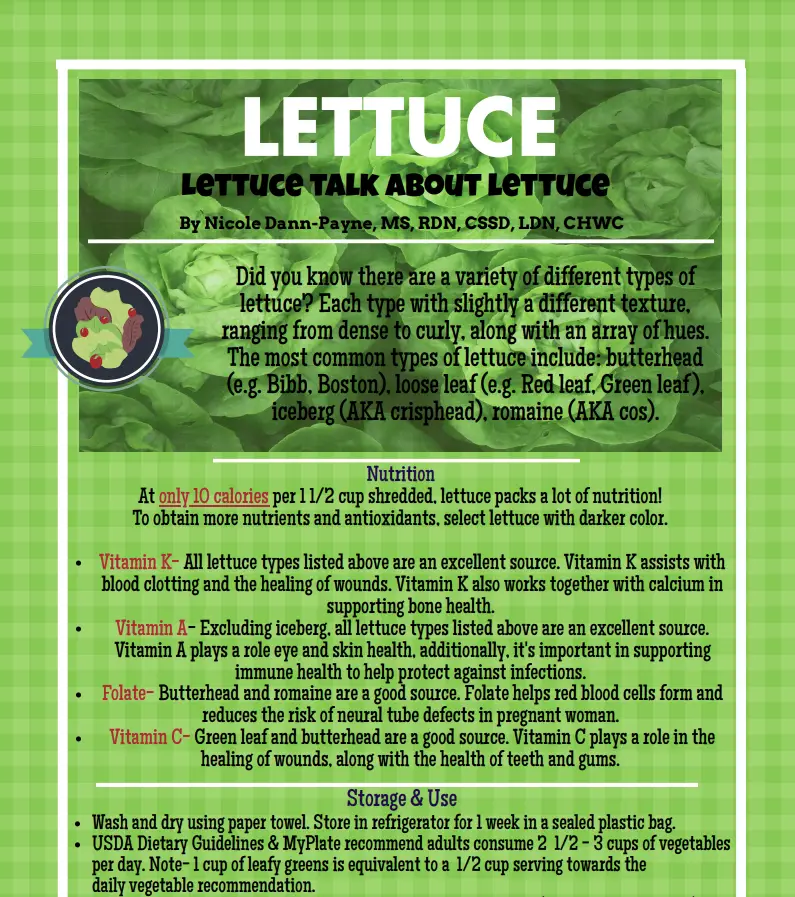
Each type of lettuce has a slightly different texture, ranging from dense to curly, along with an array of hues.
Kale Facts
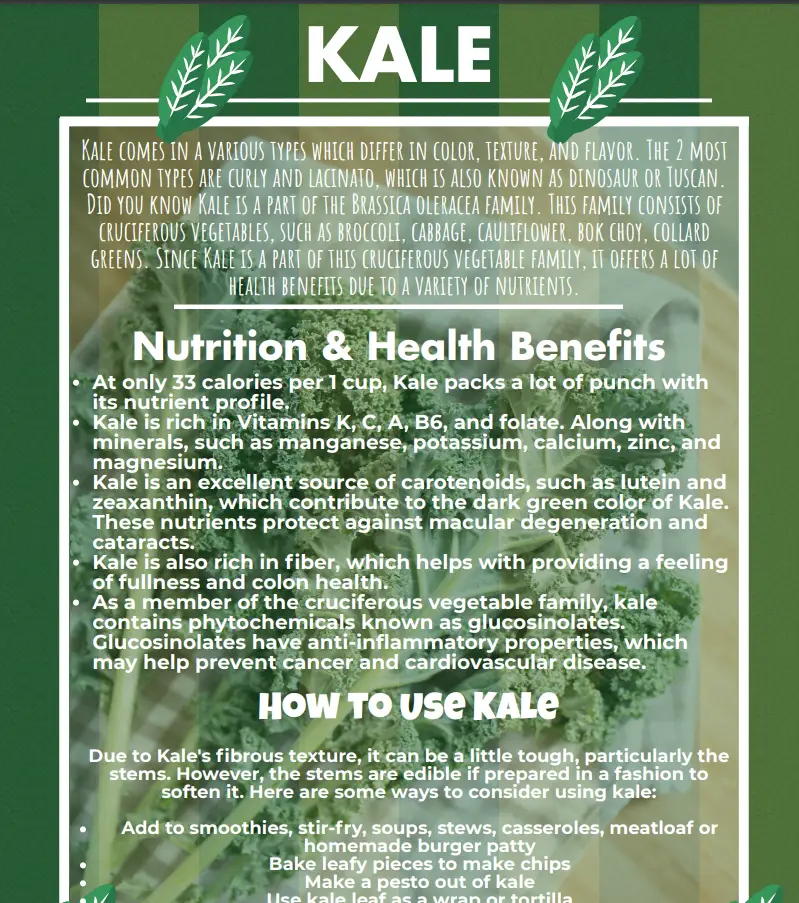
The two most common types of kale are curly and lacinato, which is also known as dinosaur or Tuscan kale.
Cucumber Facts
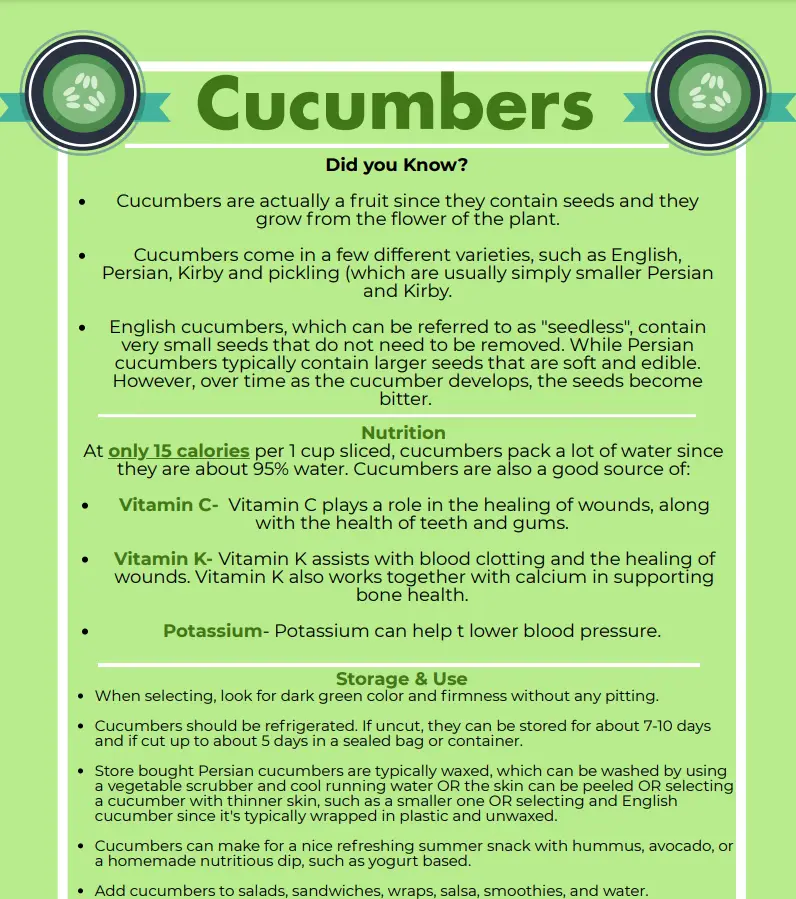
Cucumbers come in a few different varieties, such as English, Persian, Kirby and pickling (which are usually smaller).
Cabbage Facts

Cabbages are cruciferous vegetables that belong to the Brassica family and are closely related to broccoli, cauliflower, and brussel sprouts.
USDA | A Guide for Conventional Farmers Transitioning to Organic Certification
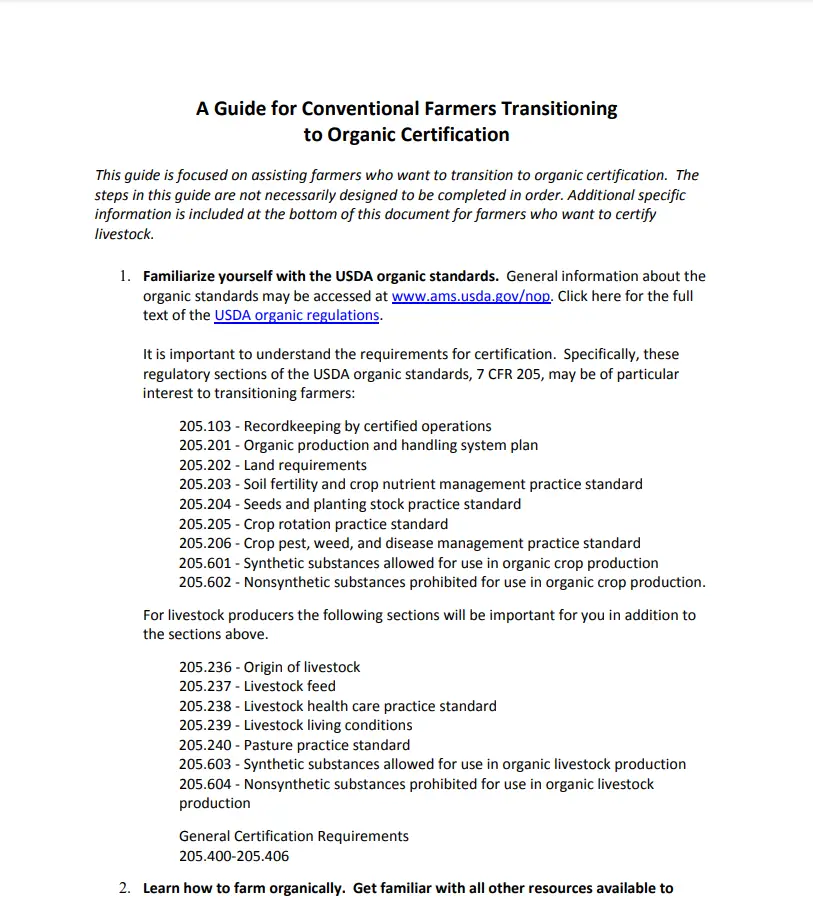
This guide is focused on assisting farmers who want to transition to organic certification. The steps in this guide are not necessarily designed to be completed in order. Additional specific information is included at the bottom of this document for farmers who want to certify livestock.
Bean Facts
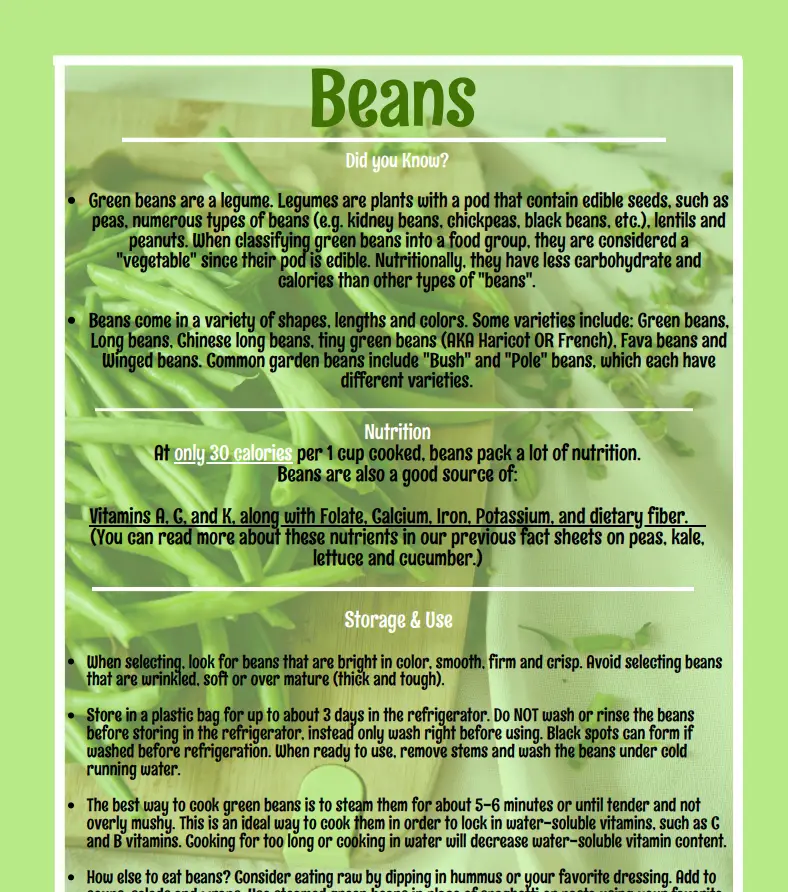
Beans come in a variety of shapes, lengths and colors. Some varieties include: Green beans,Long beans, Chinese long beans, tiny green beans, Fava beans, and Winged beans.
Purdue University Opportunities in Hydroponics
Hydroponics is a subset of hydroculture and is a method of growing plants using mineralnutrient solutions, in water, without soil. Hydroponics is a rapidly developing specialized and capital intense farming system in the U.S.
Specialty Crop Wholesale Toolbox
The specialty crop wholesale toolbox is a collection of resources specifically tailored by PA Farm Link with topics like: GAP/FSMA/Food Safety, UPC/PLU/GTIN Codes, Liability Insurance/Legal Considerations, Cold Supply Chain/Produce Handling & Quality Control, Palletizing/Packaging Industry Standards, Wholesale marketing and more.
Fundamentals of On-Farm Food Safety

The intent of this manual is to share tips and strategies learned from these farms’ experiences that other small, diversified produce operations can employ to meet wholesale buyers’ GAP certification requirements. Committing to a culture of food safety in your operation is an essential step toward tapping the market opportunities for sustainably-grown fruits and vegetables in today’s changing local food production and distribution systems. Through this manual, CFSA aims to help you build that culture.